Unsynced content makes the website fall behind the real business
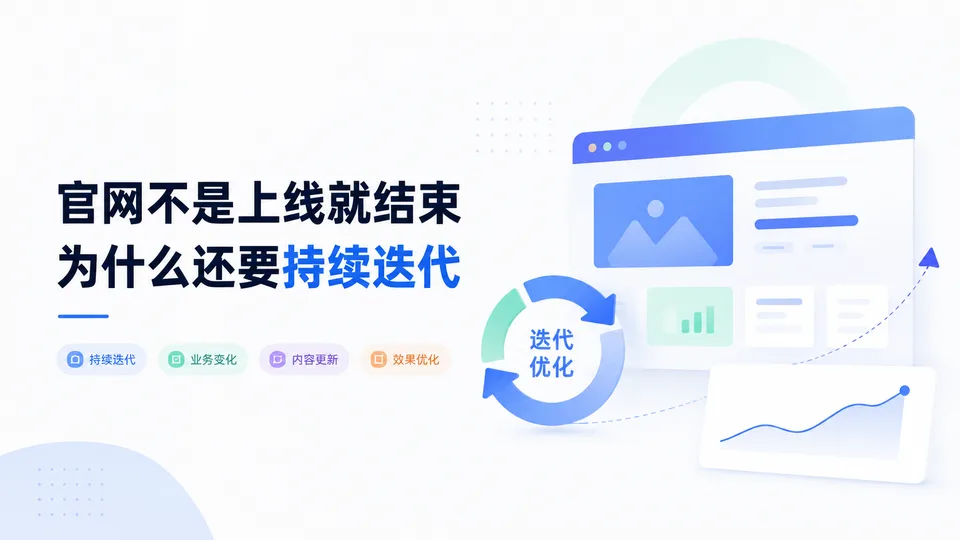
Many companies have already accumulated substantial project results offline, while their website content still reflects an earlier stage. This can cause customers to underestimate the company's real capabilities.
Syncing product updates, project cases, and business results to the website makes the company's presentation more complete and reduces the amount of explanation needed in later conversations.
Customers need information they can judge directly
When case studies and product content are missing from the website, customers cannot quickly judge what the company is doing now. This becomes especially obvious when the company has entered a new industry direction, developed new delivery capabilities, or completed new representative projects. If the website still shows old content, the whole site becomes disconnected from the actual business.
The value of syncing this content is not simply to make pages look richer. It allows customers to build a fuller understanding during their first visit. Once product updates, case results, and project details are continuously accumulated on the site, search entry points, sales communication, and brand presentation all become smoother.
Many companies repeatedly send case images, PDFs, or chat screenshots during customer communication. That often means the website is not carrying enough of the content. If products and cases are already organized into clear website pages, much of the early explanation can happen before the customer formally reaches out.
In long-term use, syncing cases and products to the website helps the company build a stable results library. As long as that library keeps being updated, it is not only something to show others. It also becomes the easiest content base to reuse for promotion, advertising, regional pages, and sales support.
Over time, this becomes the company's own results library
Another clear benefit is that the website's message stays aligned with what the company is actually delivering. Many companies are already working in new industries, new projects, and new cooperation models, while the website remains stuck in an older stage. When content updates keep pace, customers see a business that is closer to its real current state.
As the website gradually accumulates more complete case and product content, it helps customers make judgments and also helps the company organize its own business. Which projects deserve priority display, which products need separate introductions, and which services should be placed first all become clearer during this syncing process. That is also part of building the website continuously.