Indexing changes usually do not appear on launch day
After a corporate website goes live, many companies quickly start asking when search indexing changes will appear. The question is reasonable, but it is also easy to misunderstand. A website going live does not mean search-related changes will appear immediately.
Search engines need to rediscover pages, crawl the content again, understand the structure again, and then decide which pages should be included in the index. A more realistic expectation is gradual change, not instant results on launch day.
The timing depends on more than the launch date
Different companies can see very different indexing rhythms even when both are launching a new site or a redesigned site. The reason is that indexing does not depend only on whether the website is online. It also depends on whether pages are complete, content keeps being updated, the structure is clear, and old-site relationships are handled properly.
If the website only has a new visual style but still contains very little content, few cases, and no continuing article updates, search results usually will not change significantly very quickly. By contrast, if the site launches with a complete section structure, a growing content pool, and clear page logic, later changes are usually more stable.
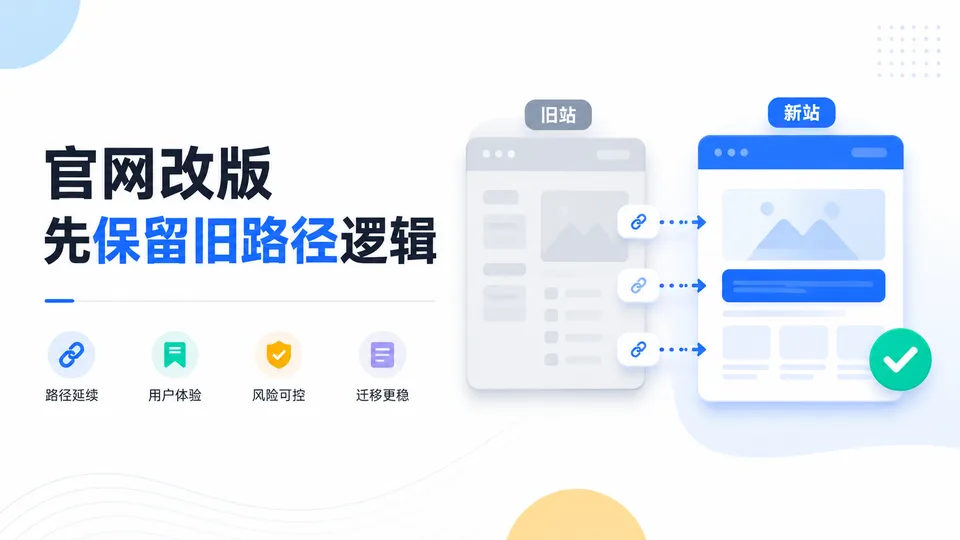
An old-site redesign is also different from launching on a completely new domain. If the company already has some content foundation and page records, a new site that preserves the main structural relationships can often transition more smoothly than one starting from zero. Companies should not only ask how long it will take; they should first understand their current foundation.
In the first few weeks, continuous content updates matter more
Many companies treat launch as the finish line, but from an indexing perspective, launch is closer to the starting point. What often determines the speed and stability of later changes is whether the company continues adding cases, articles, updates, and section content in the weeks after launch.
If the website remains unchanged for a long time after going live, search engines see a site with stagnant updates. If the website continues to receive steady additions, it looks more like an actively operated corporate website. The second situation is clearly more helpful for the company.
This is why some websites have a decent structure at launch but never show much movement later. The issue is not always technical. Often, the site simply stops accumulating new content after launch, so the whole website lacks a signal of continued expansion.
Before focusing on short-term numbers, check whether the basics are right
When evaluating indexing changes, companies should not focus only on short-term fluctuations in page counts. They should first check several basics: whether core sections are complete, whether cases and articles are updated continuously, whether important old pages have been handled properly, whether internal links are clear, and whether page titles truly match the content.
If these foundations are correct, the direction is usually stable even if visible changes are not immediate. If the foundations are weak, a few indexed pages in the short term will not easily become long-term accumulation.
There is no single fixed answer to how long indexing changes take after launch. The better question is whether the website has the conditions to be crawled, supplemented, and understood continuously. Once those conditions are gradually established, visible change is usually a matter of time.